Master Composition and Use the Best Lighting for Photography as a Travel Photographer
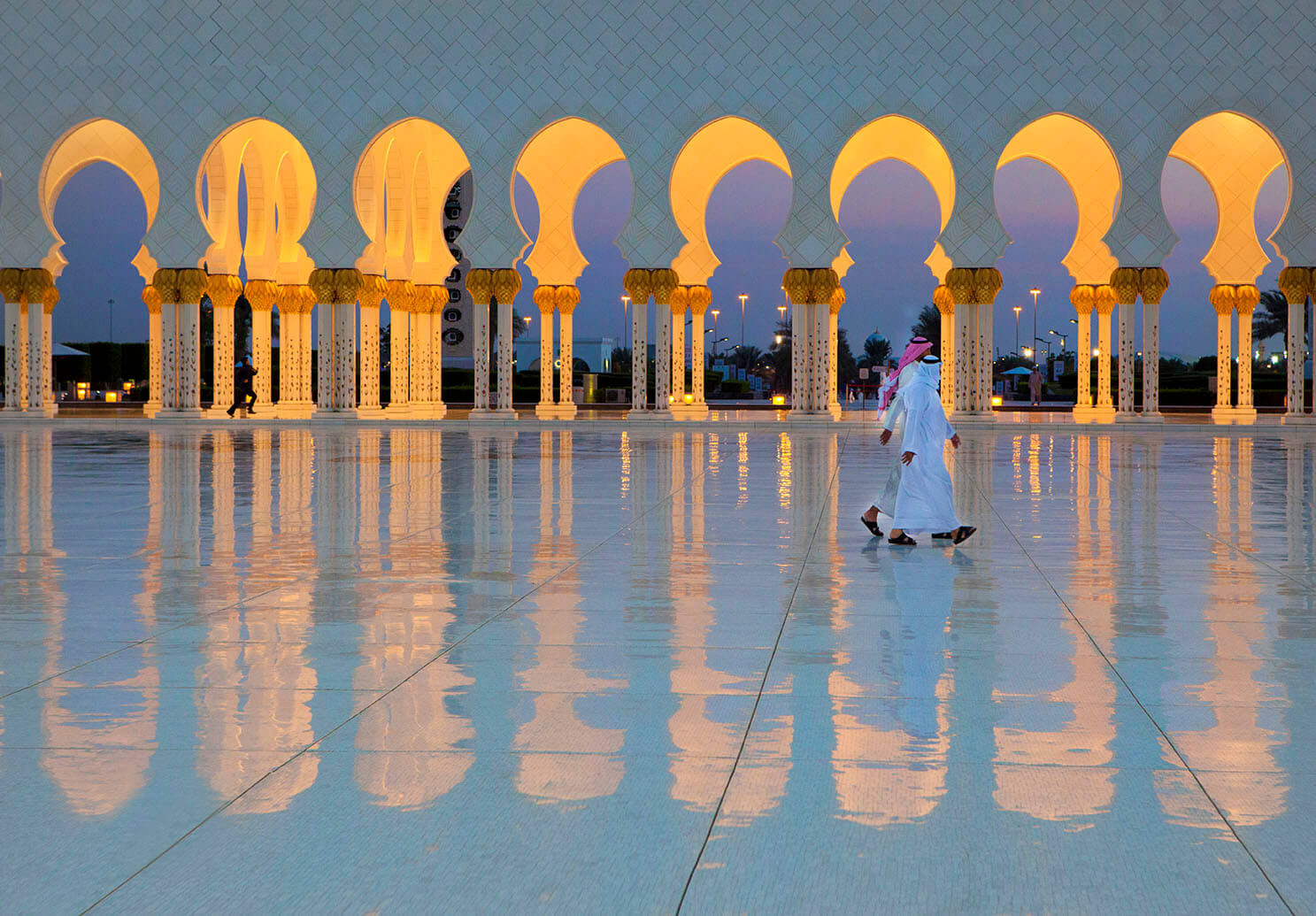
While the best lighting for photography sets the mood, composition is the foundation of great architecture travel photography. Pay close attention to lines, shapes, and symmetry in your shots. Leading lines guide the viewer’s eye into the frame, while balanced symmetry enhances a building’s visual appeal. Use the rule of thirds and creative framing to make your travel photos more engaging and professional.
“A well-composed image turns an ordinary building into a masterpiece.”
Use the Best Lighting for Photography
The best lighting for photography can transform an average photo into a stunning piece of art—especially in architecture travel photography. Natural light during golden hour—just after sunrise or before sunset—brings out textures and details in buildings. Avoid the harsh midday sun, which can flatten features and create unwanted shadows. At night, use artificial light to illuminate key architectural elements and add dimension to your shots.
Sharp Images Start with a Tripod and the Best Lighting for Photography
Capturing crisp images in the best lighting for photography often means shooting in low-light conditions—like early morning, late evening, or at night. A tripod is essential for stability in these moments. It reduces blur and helps you compose your shots with precision. Whether you’re shooting with natural or artificial light, a tripod ensures your photos stay sharp and visually compelling.
Experiment with Perspective and Angles
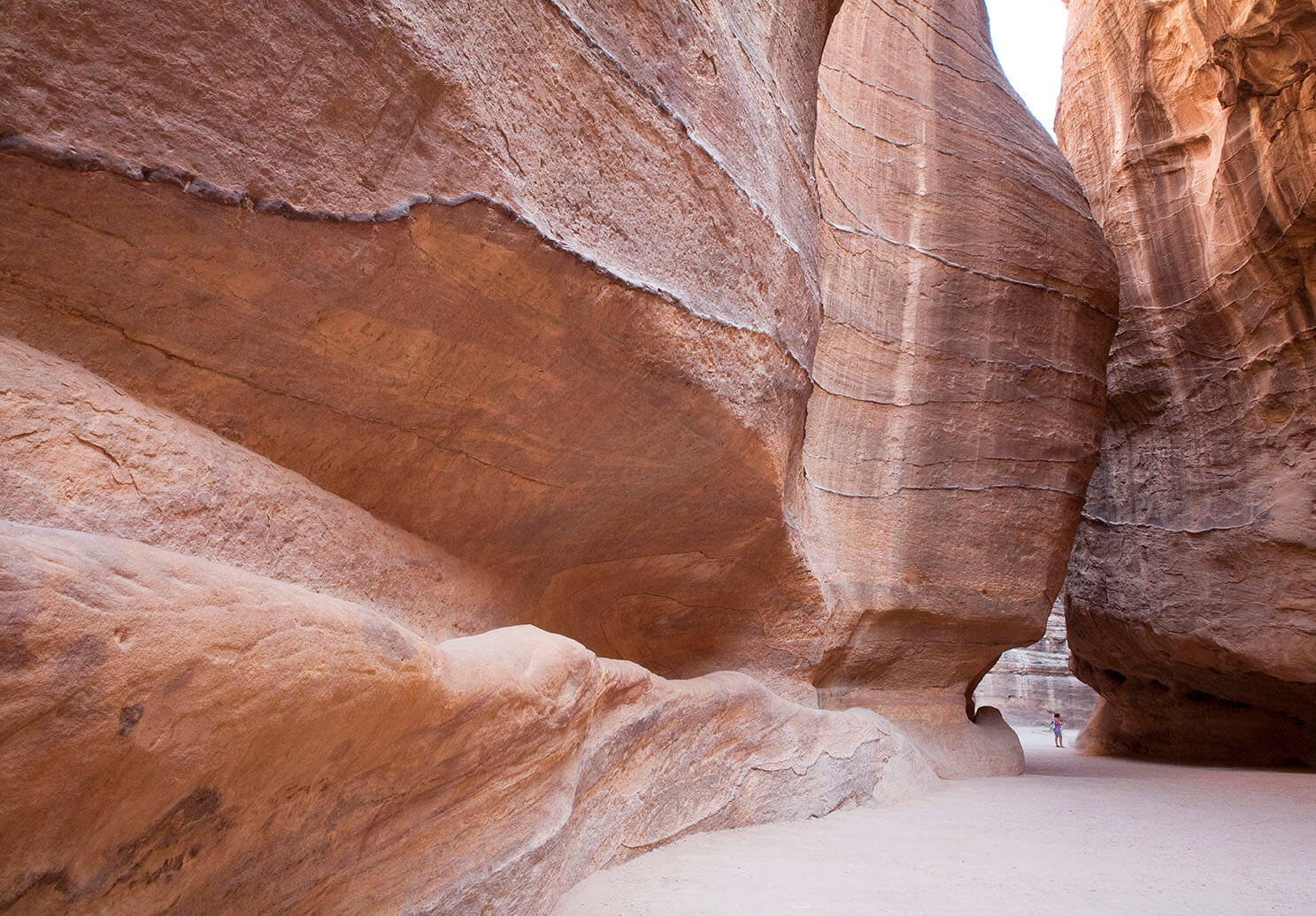
Pairing creative angles with the best lighting for photography can take your images to the next level. Try shooting from low viewpoints to emphasize height or from above to capture scale and layout. As light shifts throughout the day, it changes how buildings are perceived—so move around and experiment. A wide-angle lens combined with thoughtful lighting can highlight architectural features in unexpected ways.
Enhance Your Photos with Editing
Post-processing is your chance to refine the lighting and overall look of your architecture shots. Even with the best lighting for photography, small adjustments in contrast, brightness, and shadows can make a big difference. Use editing tools like Lightroom or Photoshop to enhance mood, correct perspective, and highlight key architectural details.
Show the Surroundings for Context
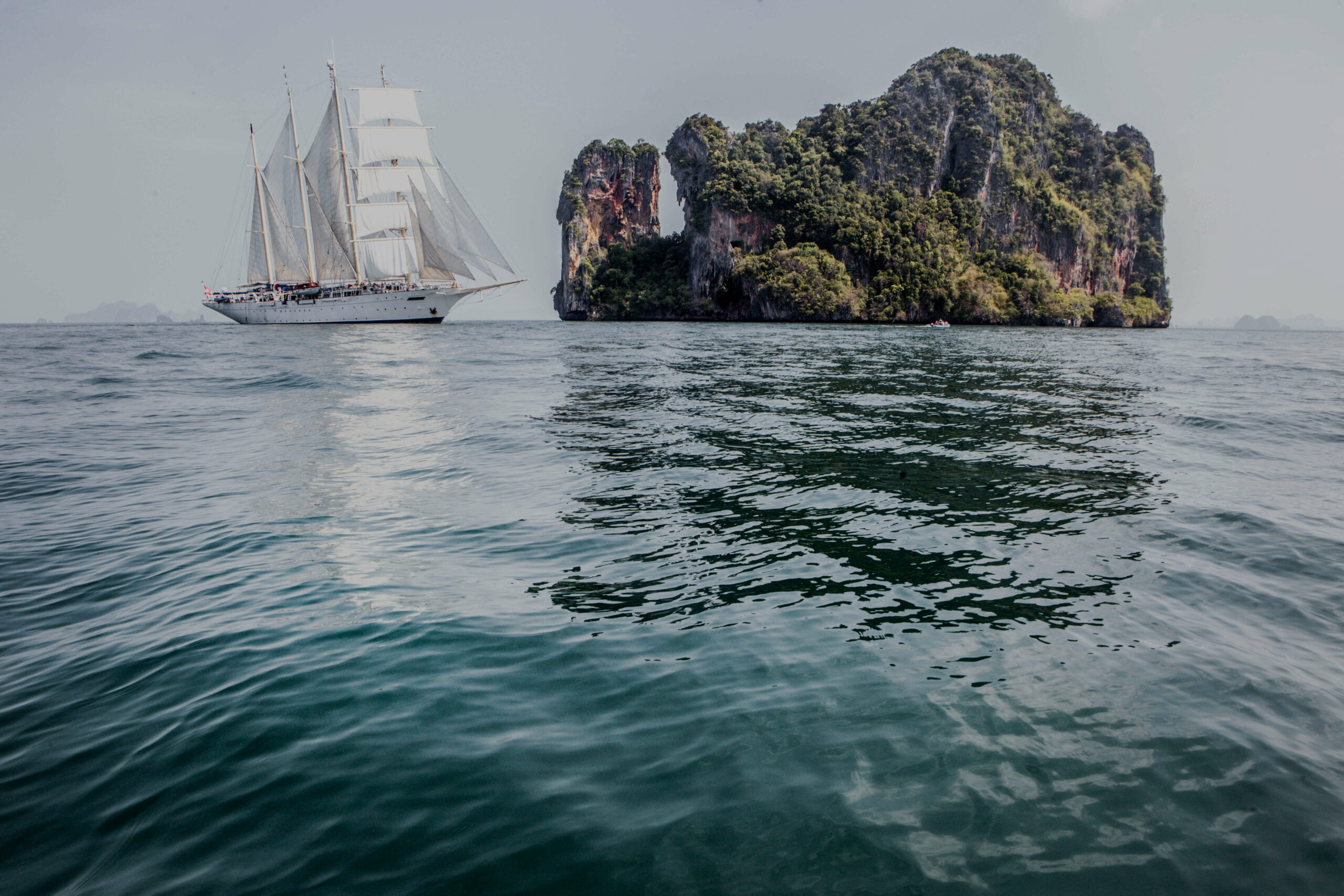
Including the surrounding environment adds depth to your architecture photos. Elements like people, streets, and nature help tell a story and give viewers a sense of place. Capturing reflections or shadows can also create a more artistic feel in your shots.
Ready to Take Your Travel Photography to the Next Level?
Master essential elements like composition, lighting, and perspective with expert guidance from seasoned professionals. Learn to capture breathtaking architectural shots and tell captivating visual stories through your photography.
Enroll in the Legendary Travel Photographer course today, and take your skills beyond ordinary photos.
Learn how to shoot with perfect lighting, frame your compositions, and experiment with angles to create unique, eye-catching travel photography.
Start your journey now at www.professionaltravelphotographer.com and enhance your photography skills today!